|
|

|
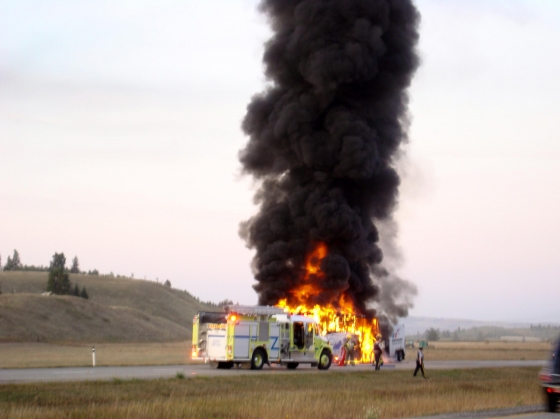
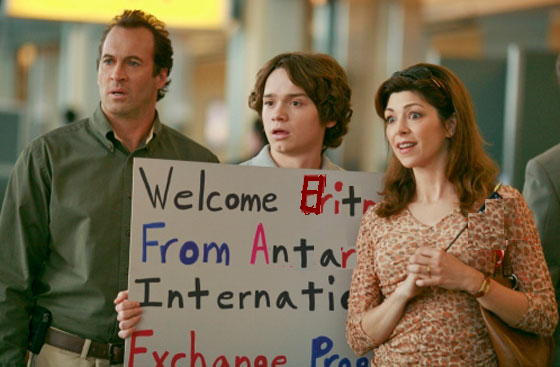
Dear UANT Students, So what happens when you are twenty years old, know who you are, what you want and what makes you happy, but to fulfill some obscure lifelong dream, you decide to leave it all behind? What do you do? Well, it’s December 18th, all the paperwork has been filed, all the checks signed, so I was getting on the plane. I kept repeating the mantra I had heard so many times over from others, “this is going to be an experience of a lifetime,” or “travel when you're young, before you know it, life sneaks up on you and you can’t do these things anymore.” I repeated it, but somehow do not quite believe it. By the time I arrive at McMurdo to board my international flight to Calgary, Canada, it is just motions. I have stopped thinking and quite possibly even stopped breathing. I cannot even say that I am scared; I cannot verbalize what I am. It was someone else getting that last cup of coffee at the Navoyka cafe, making a quick phone call home and enthusiastically greeting all of the other study abroad students. Ten short hours ago I had known exactly who I was—I had goals, friends, family and familiarity and now I was letting all of that go for something as abstract as “a cultural experience.” It seemed almost immediate, the change in myself. I arrived at orientation and realized that although all of my luggage was there, I had lost something in between uant and Calgary—my vision—my vision of who I was, why I had left to go abroad and the goals I had once held for my experience. My exterior was still intact though. With a little magic from Cover Girl, the tear-stained eyes disappeared and I could talk and function like all of the other students. But everywhere I looked, I saw fuzz. That lifelong goal now seemed like such a heavy weight. I felt numb and void and finally, I could say it, I was scared. Everything was supposed to be new and exciting; I was not supposed to want to be back home in Navoyka, curled up with my dog and watching Sex and the City reruns. This was NOT what an independent, driven woman was supposed to be feeling. What happened to the emotional “up curve” I learned about in the pre-departure meetings? I had not even seen so much as a little bump, just a straight shot down to disillusionment. This was not normal, I could tell, not on any charts in the orientation handbook; I was alone on this one. What if they asked me what I was? Was I a capitalist? A socialist? As my post-orientation feet stepped onto Canadian soil, once again, it was all motions. Through the slicing rain, I made out the sign my host-family had made, and went over to greet them. Within 24 tear-soaked hours of my family’s soy-bean tofu bread, Celine Dion music and incense I brought with me but they had a serious problem with me burning, I had had enough. I called home. I discovered the two keys to happiness. First, junk food and plenty of it, and second, my friends and family back home. I decided new experiences were not worth having if you cannot share them with people you already care about. I already had those people, no need to stay in Canada; I would be on a plane home by the end of the week. I hated it all. Ok, so maybe that was a little extreme. But my host family immediately began trying to "acculturate" me, whatever that means, and played the most annoying song on a cd player (they didn't have an iPod) called Alberta Bound. I wished the opposite. So I was back to my original question, what happens when you are twenty years old and have voluntarily uprooted your knowledge of life, what do you do in a totally alien world? You start pushing. You push through the emotions, not ignore them. I was an expert at ignoring the difficult, and this was the first situation in my life where I could not just walk away. Everything was so new, it was isolating. I did not know what made me happy anymore or even how to approach recovering it. I truly did not know who “Calgary Britney” was. For someone who had always prided herself in self-knowledge and independence, this was quite a blow. I had to do something completely revolutionary for me—surrender to the unknown and start rebuilding. So, I starting digging, digging within what remained of my determination to change things and that life long goal that got me there. I started learning about myself immediately. Lesson number one: as new-age as I am, I realized I needed a more “traditional” family. Lesson number two: if I was unhappy, I had the power to change something. So, within one week, I had changed to a wonderful family of three energetic siblings twelve, twenty-one and twenty-six, two active parents and of course, a Canadian dog. The enthusiasm of the family seemed to penetrate me from the moment I carried my six suitcases through the door. That night, after one of what was to become many of my host-mother’s five-course meals, pouring over my pictures from home and sipping coffee until late, I realized taking the leap of changing families would be one of the best decisions of the semester. My new confidence was not flawless, however. My biggest fear was still being approached by Canadians on the street. Whether it was to be asked for the time or simple directions, I seemed to instantaneously turn to the not only a non-native Canadian English that I speak, but stood mute altogether. The encounter would usually end with a troubled look of both confusion and pity on the part of the Canadian and near tears on the part of the now deflated “southie.” One of the first rules of study abroad is laugh, laugh, laugh. At the beginning, I could not even manage a chuckle at myself. One day, as I was confidently embarking on my daily metro routine, I spotted something horrifying out of the corner of my eye— channel 2 (CITC-TV), the most well-known television station in Calgary, had just pointed one of its cameras in my direction. Within seconds I was surrounded by a camera man, an Anderson Cooper look-a-like anchor and a microphone that seemed to take on a life of its own. It turned out that the station was doing random street interviews on the recent strike of the national soccer teams, not on evil Antarcticans living in Canada, which of course is what I anticipated. After three minutes of questions, the camera man quickly walked away to the next soccer fan and I was left on the grass in complete shock. I had answered all of the questions without missing a beat! I couldn’t believe it. I was high on life, and passed a construction site. The guys invited me to go out that night, and I jumped for it. We saw Pamela Anderson at the bar! But it was a bad night. I passed out on the floor and was taken to the 'drunk tank' for the night. They didn't know who to call because my info was last when my purse was stolen. I learned you can't trust anyone in Canada. Who are these people? My abroad experience would not have been half of what it was if I had not been brought down to my knees during those first two weeks. I had to examine the pieces lying around me and start building from what I knew best—myself. Not to say that after my new-found determination I never had a bad day again, or never felt like standing in the middle of Stampede Park and screaming, “STOP LOOKING AT ME!” to every passer-by. In fact, whether it was the little things like taking CT bus route 202 north instead of south, or bigger challenges like solely taking on the streets of nearby Edmonton for eights days, and surviving the bus that actually lit itself on fire on the way back to Calgary, in some way or another, I was brought down to my knees through sudden onsets of frustration or panic, probably once a week. But after a while, getting lost can turn into a daily adventure, if you let it. I lost myself in Canada, physically when I arrived to such drastically different elements, but more traumatically, as a person. It was right here, within the whirl of loss and confusion, that I encountered what seemed to me a phenomenon-- The ability to create something out of what truly appears to be nothing. And not just something to help me survive, but something that is me—a home, dreams, goals, comfort. I could list all of the personal accomplishments and self-discoveries I eventually came to make, but they would all come out like a recorded cliché: confidence, determination, patience, laughter, flexibility and love. The point is not only what I found, but that I found them myself, about myself and from within myself. If you get to study abroad in Calgary, go, and find yourself too. |
|
|
|
|
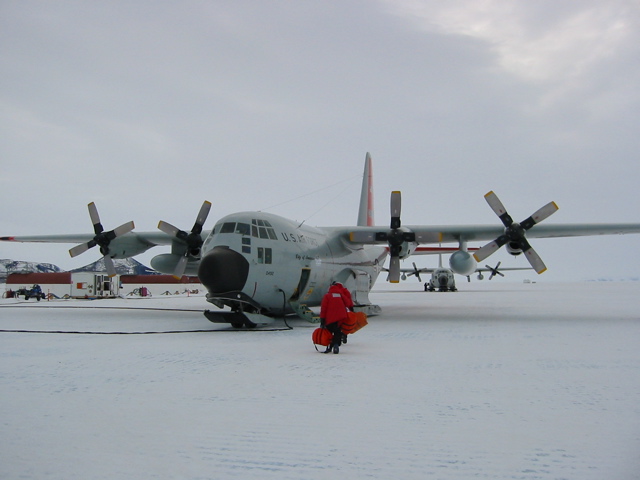
Departure from Antarctica to Canada |
Off the plane in Calgary finally |
|
|
|
|
What a horrible color pattern |
I didn't feel comfortable here |
|
|
|
|
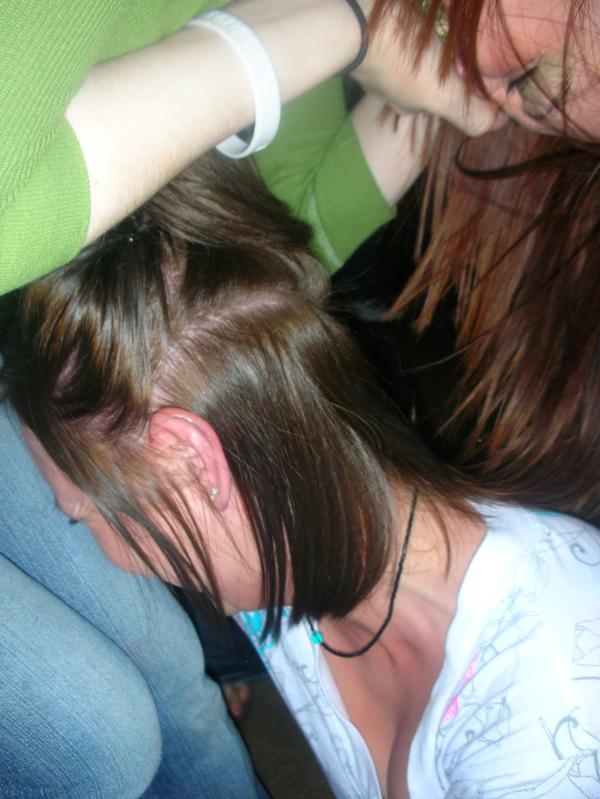
Crying at my host family's house |
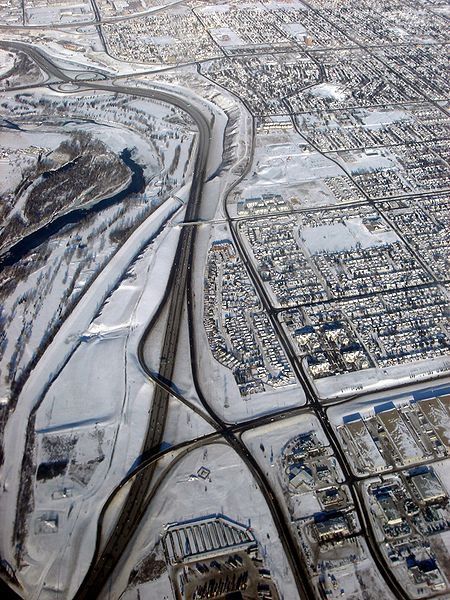
What an ugly place- taken from plane |
|
|
|
|
This city needs a much better system |
They think this is a lake??? |



|
|
|
|
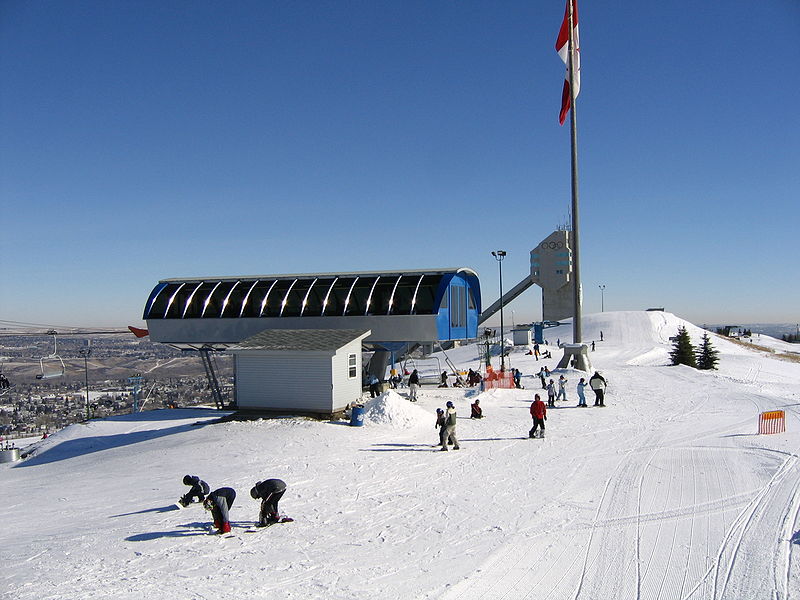
What can you do with this ugliness? |
Go out and make the best of it! |
|
|
|
|
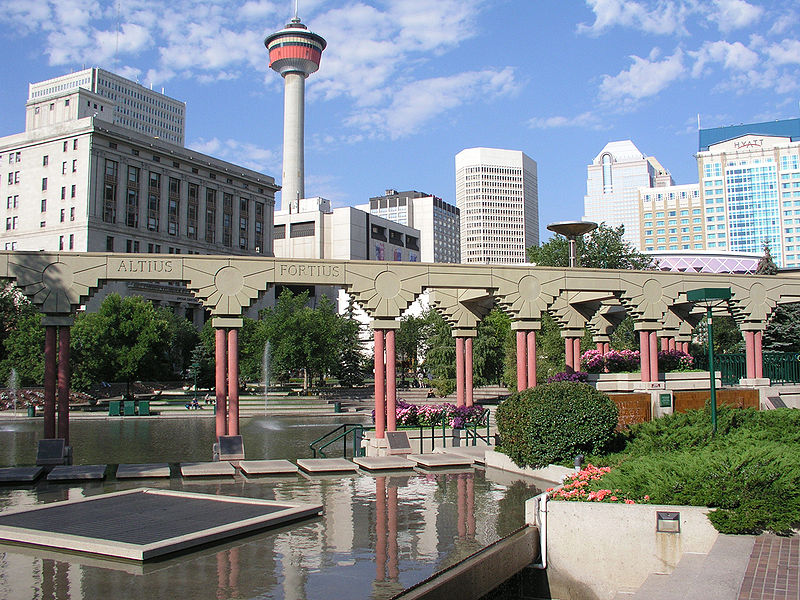
This is their "olympic village?"Fail. |
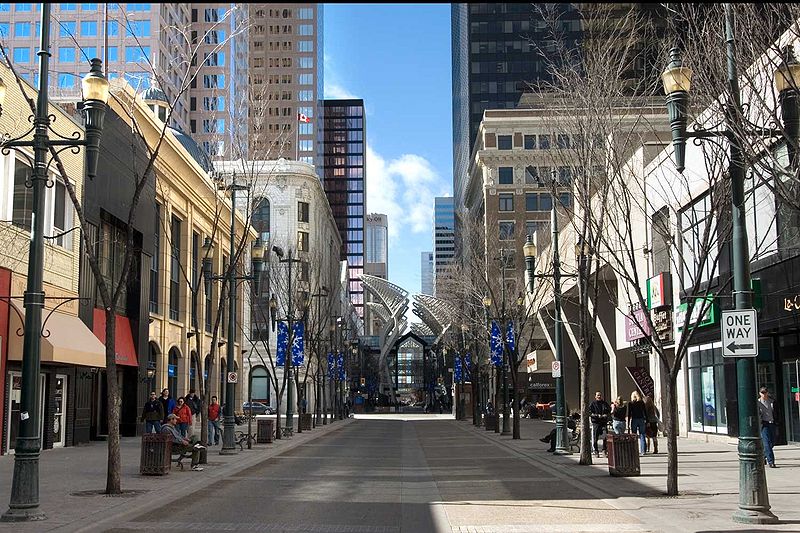
Downtown nowhere- I HATE Calgary |
|
|
|
|
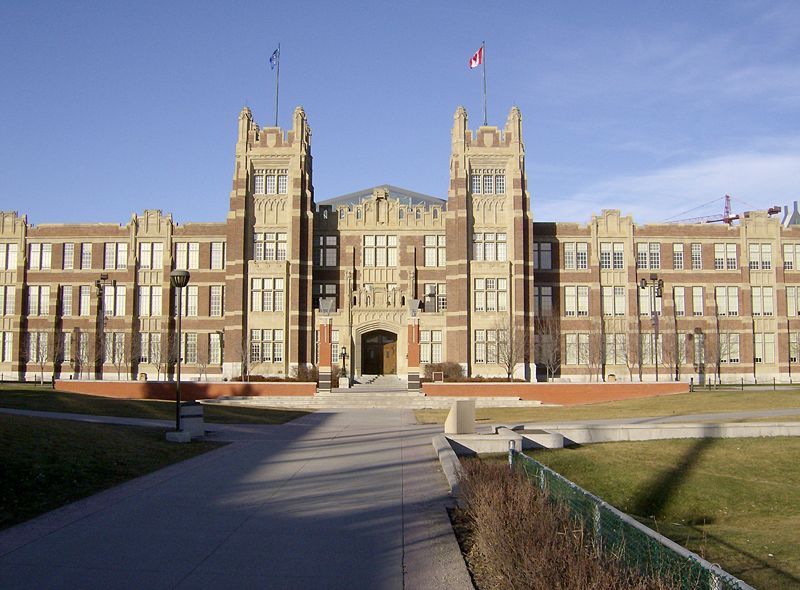
My "university" was ugly too |
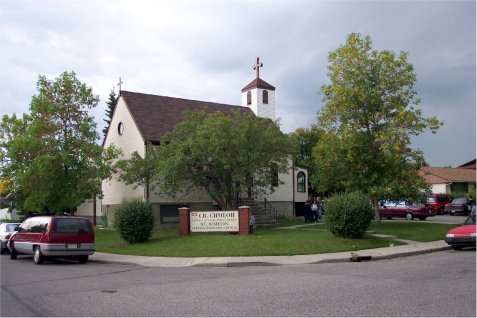
My host family's church- I won't go |
|
|
|
|
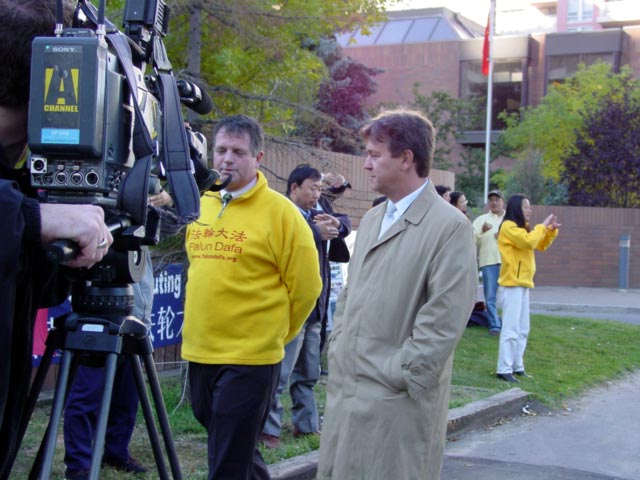
This Canadian TV station 2 played me |
I photo-ed the guys interviewing |
|
|
|
|
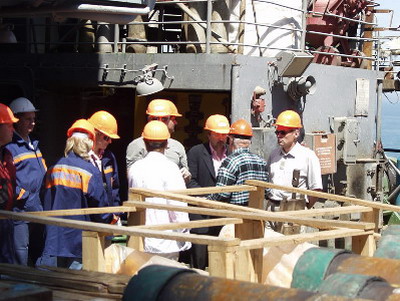
Construction guys asked me to the bar |
What the heck? Time to go out |
|
|
|
|
I am going out to let it all go |
I finally let it all go |
|
|
|
|
The nightlife pushed the right button |
Finally sth cool: Pam got kicked out |
|
|
|
|
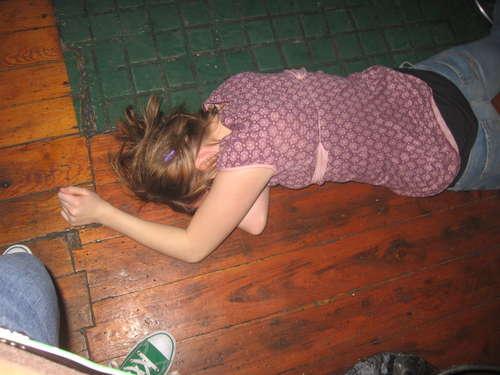
My homegirls are laughing because... |
...I passed out on the floor of the bar! |
|
|
|
|
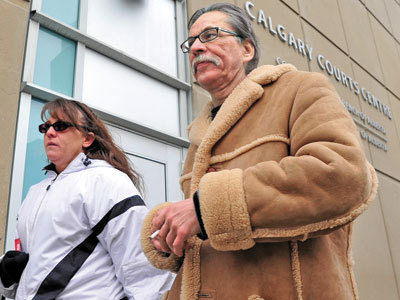
My host family picking me up at court |
At least they picked me up in this |
|
|
|
|
My host family's annoying relatives |
Prudes didn't approve of my poster |
|
|
|
|
I loaded on Canadian politics here |
Perverted politicos asked me to swim |
|
|
|
|
I went the wrong direction on the 202 |
This happened on the way back |
|
|
|
|
Downtown Edmonton from a tower |
Edmonton had a ghetto in WWII? |
|
|
|
|
Host family says goodbye / riddance |
Why is everything in French too? |
|
|
|
|
I had the worst seat to LA connector |
More exchange students- ANNOYING! |